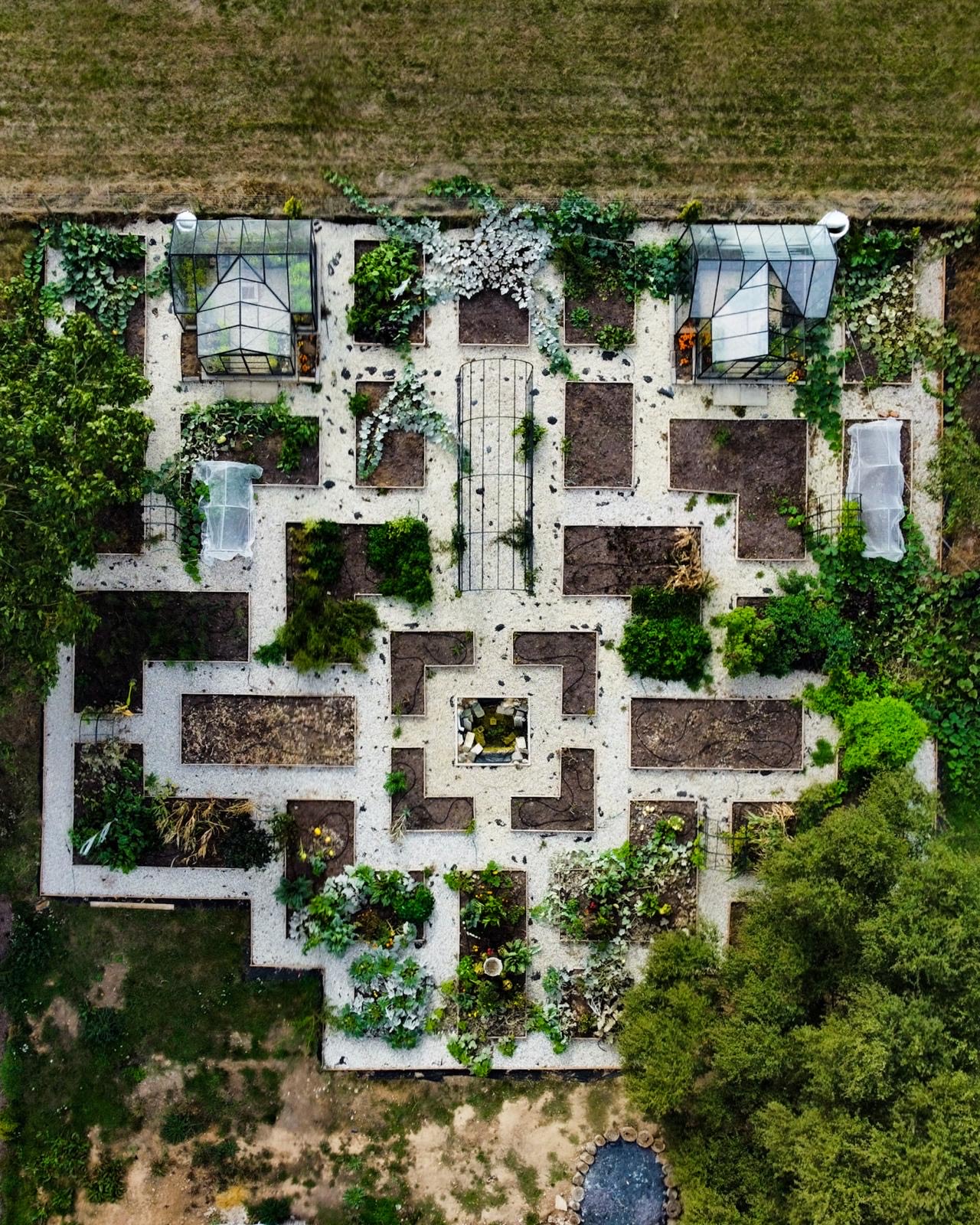
Your Year-Round Veggie Garden: A Monthly Planting Guide
Embarking on the journey of growing your own food is one of life's most rewarding adventures. There's an unparalleled satisfaction in harvesting fresh, vibrant produce from your own backyard, knowing exactly where it came from and how it was grown. Many believe gardening is a seasonal affair, limited to spring and summer, but with a little planning and understanding of your local climate, you can enjoy fresh vegetables from your garden year-round.
As a passionate gardener, I've discovered the immense joy and empowerment that comes from cultivating a continuous harvest. It's a journey of experimentation, learning, and ultimately, connecting with the rhythm of nature. This guide, drawing from years of hands-on experience and regional insights, aims to demystify year-round gardening, providing you with a practical, month-by-month planting calendar to help you keep your veggie patch thriving, no matter the season. Let's dig in and discover what's growing now in our vegetable garden, and what could be growing in yours!
The Continuous Harvest: Why Cultivate a Year-Round Vegetable Garden?
The idea of a year-round garden isn't just a dream; it's a tangible reality that offers a multitude of benefits:
- Uninterrupted Freshness: Imagine having crisp lettuce in winter or juicy tomatoes deep into autumn. A continuous harvest means fewer trips to the grocery store for produce and more nutrient-dense, flavorful ingredients for your kitchen.
- Increased Self-Sufficiency: Growing your own food is an empowering act of independence, reducing your reliance on commercial food systems and their associated costs and uncertainties.
- Health and Well-being: Gardening is a fantastic form of exercise and a powerful stress reliever. Plus, homegrown vegetables often boast higher nutritional value and are free from unwanted chemicals.
- Connecting with Nature: Understanding the life cycles of plants and the subtle shifts of the seasons fosters a deeper connection to the natural world around you.
- Cost Savings: While there's an initial investment in seeds and supplies, the long-term savings on your grocery bill can be substantial.
Navigating Your Climate: The Foundation for Success
The secret to a successful year-round garden lies in understanding your specific growing environment. What works for a gardener in the sunny south might be entirely different from someone in a colder northern climate. This is where regional knowledge becomes paramount.
The USDA Plant Hardiness Zone Map is an invaluable resource, dividing North America into zones based on average annual minimum winter temperatures. Knowing your zone provides a solid starting point for determining which plants can survive winter outdoors in your area. However, it's just a guideline.
For even greater precision, many gardeners refine their approach by considering their specific zip code's climate nuances, factoring in microclimates, elevation, and proximity to large bodies of water. Understanding your average last frost date in spring and your average first frost date in autumn is critical for timing your planting correctly, especially for frost-sensitive crops. For a deeper dive into optimizing your planting schedule based on your specific location, you'll find immense value in exploring resources like Maximize Your Yield: Planting Vegetables by Zip Code & Zone.
For example, living in a moderate climate like North Carolina allows for gardening opportunities almost every month of the year. Certain vegetables thrive in cooler soil and short daylight hours, while others demand warm sunshine. This adaptability is key to maintaining a productive garden throughout all four seasons.
Your Monthly Planting Guide: What's Growing Now in Our Vegetable Garden
Let's embark on a monthly journey through the planting calendar, identifying opportunities to sow, grow, and harvest all year long.
January: Kicking Off the New Year
The turn of the new year is a fantastic time to set new habits, and gardening is no exception. While outdoor activity might be limited in colder regions, January is perfect for indoor seed starting. Think warm-season crops like tomatoes, peppers, and eggplants, which need a long head start before transplanting. For those in milder climates or with protected spaces like cold frames, certain cool-season crops can be directly sown: onions, garlic, potatoes, and carrots are surprisingly robust and can thrive in the cool January soil. Consider using row covers or low tunnels to extend the growing season for these hardy veggies.
February: Preparing for Spring's First Blush
As the days slowly lengthen, February offers more opportunities. This month is ideal for planting early cool-season vegetables directly into the ground. I love sowing beets, radishes, and spinach in February. These fast-growing crops add vibrant color, fresh flavor, and vital nutrition to your table during the tail end of winter. Their quick maturity means you'll be harvesting fresh greens and root vegetables sooner than you think, a welcome sight when other gardens are still dormant.
March: The Spring Awakening
March truly signals the start of the spring garden for many regions. While late frosts can still be a concern, it's time to get serious about your spring plantings. The options are abundant! Think about planting peas, asparagus crowns, Swiss chard, and kale. These vegetables thrive in the warming, yet still cool, spring soil. It's also a great time to amend your garden beds with compost, preparing the soil for the busy months ahead. For those with indoor starts, begin hardening them off by gradually exposing them to outdoor conditions.
April: A Burst of Growth
For many, April marks the average last frost date, making it a pivotal month for direct sowing. As the soil consistently warms, a plethora of vegetables can go directly into the ground. I particularly enjoy planting various greens like collards, mustard greens, and different varieties of lettuce. This is also the prime window for transplanting your indoor-started tomatoes, peppers, and eggplants into their permanent outdoor homes. Ensure the threat of frost has truly passed before moving these tender plants outside.
May: The Warm-Season Explosion
May is the month when the garden truly comes alive with warm-season crops. If you follow a solid planting guide for May, you'll be putting in staples like peppers, okra, beans, squash, corn, and cucumbers. This is also the perfect time to plant sweet potatoes and continue with succession planting of fast-growing crops like bush beans and radishes to ensure a continuous harvest throughout the summer. Remember to give these warm-lovers plenty of sunshine and well-draining soil.
June: Maintaining Summer Momentum
As summer officially arrives, June is all about sustained growth and strategic planting. Continue planting warm-season vegetables, focusing on succession planting. Sow another round of bush beans, corn, cucumbers, and summer squash every few weeks to extend your harvest. Consider heat-tolerant varieties of greens like Malabar spinach or New Zealand spinach, which thrive when traditional lettuce bolts. Ensure consistent watering during hotter periods to prevent stress and encourage fruit set.
July: Mid-Summer Harvest and Fall Prep
July is often a peak harvest month, but it's also a time to start thinking ahead to your fall garden. While some crops might be slowing down due to intense heat, you can still plant heat-tolerant varieties like a second round of okra, sweet potatoes, and heat-set tomatoes. More importantly, begin preparing beds for your fall brassicas (broccoli, cabbage) and root crops. Sow seeds for cool-season crops indoors this month, giving them a head start before the heat breaks.
August: Laying the Foundation for Fall
August is crucial for successful fall gardening. It's the ideal time to sow seeds directly or transplant starts of many cool-season favorites. Think about planting broccoli, cabbage, kale, collards, and Brussels sprouts. Also, sow more rounds of carrots, beets, and radishes for autumn harvests. Quick-maturing greens like spinach and lettuce can also go in, ideally in a spot that gets some afternoon shade to protect them from the lingering summer heat.
September: The Abundance of Autumn
As temperatures begin to cool, September brings renewed vigor to the garden. This is a prime month for planting more root vegetables like turnips, parsnips, and rutabagas. Continue succession planting spinach, lettuce, and Swiss chard for continuous fresh greens. For those in milder climates, a late planting of bush beans might still yield a harvest. Consider planting cover crops in empty beds to enrich the soil over winter.
October: Preparing for Winter's Chill
October is harvest central, bringing in the last of your warm-season crops and the bounty of your fall plantings. It's also the essential month for planting garlic for next year's harvest; plant cloves now, and they'll establish roots before freezing temperatures. In sheltered areas or with protection, you can continue to grow hardy greens like mache, claytonia, and some varieties of spinach. Focus on cleaning up spent beds, adding compost, and preparing for colder weather.
November: Winter Protection and Planning
As colder weather sets in, November is about protecting existing crops and looking ahead. Utilize cold frames, row covers, or even simple cloches to extend the life of hardy greens like kale, collards, and some lettuces. In milder zones, you might still plant bare-root fruit trees or perennial herbs. For most, this month shifts towards garden maintenance, tool care, and the exciting task of poring over seed catalogs, planning next year's garden. This is another great opportunity to reference your What to Plant Now: Your Essential Seasonal Gardening Calendar to align your planning with seasonal opportunities.
December: Resting, Reflecting, and Indoor Greens
December might seem like a quiet month for the outdoor garden, but it's a bustling time for indoor cultivation and future planning. Focus on growing microgreens, sprouts, and herbs on a sunny windowsill for fresh, homegrown flavor. Conduct soil tests, research new varieties, and design your garden layout for the upcoming year. It's a time for reflection on the past season's successes and learning opportunities, ensuring your next year-round garden is even more productive.
Beyond the Calendar: Essential Tips for Abundant Harvests
A monthly guide is a fantastic starting point, but a thriving year-round garden requires ongoing attention to a few core principles:
- Soil Health is Paramount: Healthy soil leads to healthy plants. Regularly amend your garden beds with organic matter like compost. This improves soil structure, water retention, and nutrient availability.
- Succession Planting: This technique is crucial for a continuous harvest. Instead of planting all your lettuce seeds at once, sow a small batch every 2-3 weeks. This ensures a steady supply rather than a single overwhelming harvest.
- Water Wisely: Different plants have different water needs, and these can change with the seasons. Consistent, deep watering is generally better than frequent shallow watering. Consider drip irrigation for efficiency.
- Pest and Disease Management: Vigilance is key. Regularly inspect your plants for signs of pests or diseases and address issues promptly using organic and sustainable methods whenever possible.
- Embrace Protection: Extend your growing season dramatically with tools like row covers, cold frames, hoop houses, or even a simple cloche. These offer protection from frost, harsh winds, and sometimes even pests.
- Observe and Adapt: Your garden is a living laboratory. Pay attention to what thrives and what struggles in your specific conditions. Keep a garden journal to track planting dates, yields, and observations, allowing you to refine your approach year after year.
Cultivating a year-round vegetable garden is an incredibly rewarding endeavor. It transforms your outdoor space into a dynamic, productive hub, providing you with fresh, healthy food month after month. While the thought of gardening throughout the seasons might seem daunting at first, by understanding your climate, planning strategically, and embracing the ebb and flow of nature, you can enjoy the satisfaction of a continuous harvest. So, get started today, and discover the abundant joy of knowing exactly what's growing now in our vegetable garden, and what will be growing there all year long!
